Walmart's Tap to Pay Shift and the Future of Retailer Controlled Checkouts
2026-08-21
Keywords: Walmart, Apple Pay, Google Pay, tap to pay, Walmart Pay, retail payments
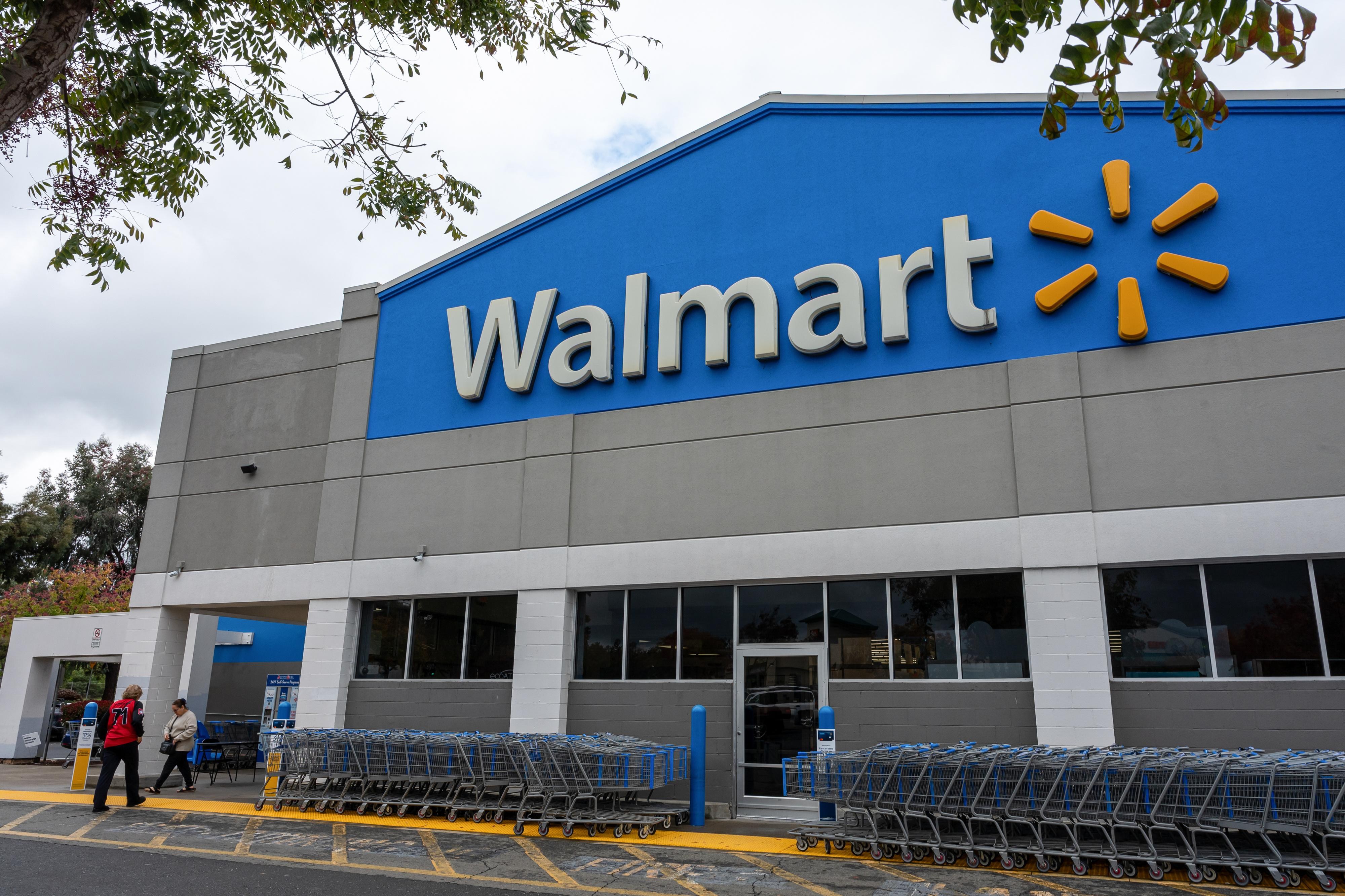
Retail Giants Yield to Standard Payment Methods
Walmart has built a reputation for charting its own course in operations from supply chains to in store technology. Its decision to support tap to pay through Apple Pay and Google Pay at last indicates that even the largest players must sometimes align with industry norms to meet shopper expectations.
This adoption begins at select Walmart and Sams Club sites on August 24 before expanding across all US locations by the close of 2026 and reaching gas stations by the middle of 2027. The timeline suggests careful testing rather than an overnight overhaul.
Why the Holdout Strategy No Longer Worked
For a decade Walmart directed customers toward its own Walmart Pay application which scans a QR code to complete transactions. That approach followed the retailers involvement in CurrentC a short lived alternative payment effort meant to keep control within merchant hands. Both moves reflected a preference for limiting dependence on external tech providers.
Yet customer feedback and competitive realities appear to have prompted a change. Many shoppers now expect the convenience of tapping a phone or card without opening a specific app. Remaining outside that standard risked alienating segments of the customer base especially in urban areas or among younger buyers who favor digital wallets.
Implications for Data Collection and Loyalty Programs
A central concern involves the information Walmart gathers at checkout. Its proprietary system funneled transaction details directly into company databases supporting targeted promotions and inventory planning. Third party wallets introduce new variables in how much visibility the retailer retains.
Whether this leads to reduced personalization or requires fresh agreements with Apple and Google remains unclear. Early indications do not detail partnership terms or data sharing arrangements leaving analysts to speculate on potential revenue trade offs.
What Happens Next for Walmart Pay
The QR code tool will not vanish immediately but its prominence is likely to diminish. Retail experts anticipate a hybrid model where tap to pay serves casual buyers while the app delivers deeper discounts for frequent shoppers. Success will depend on seamless integration rather than forcing choices at the register.
Risks include fragmented experiences if the systems compete instead of complement each other. Shoppers may grow frustrated if promotions apply only to one method creating unnecessary complexity in what should be a quick transaction.
Broader Questions for the Payments Landscape
This development arrives as contactless payments dominate retail. Walmarts participation could influence smaller chains still weighing similar upgrades and accelerate the decline of experimental merchant only solutions.
- Will transaction costs rise or fall with the new options?
- How might security standards evolve as more volume shifts to NFC technology?
- Can other retailers sustain independent payment experiments in this environment?
These issues highlight ongoing tensions between convenience and control. While the rollout promises easier checkouts for millions the long term effects on innovation and competition in retail payments stay uncertain. Observers will track whether this represents genuine openness or a limited concession that preserves core elements of Walmarts original approach.