Why Apple's New Budget Laptop May Not Be as Affordable as It Seems
2026-07-16
Keywords: MacBook Neo, Apple laptops, budget computing, tech accessories, USB-C hubs, consumer electronics, ecosystem costs
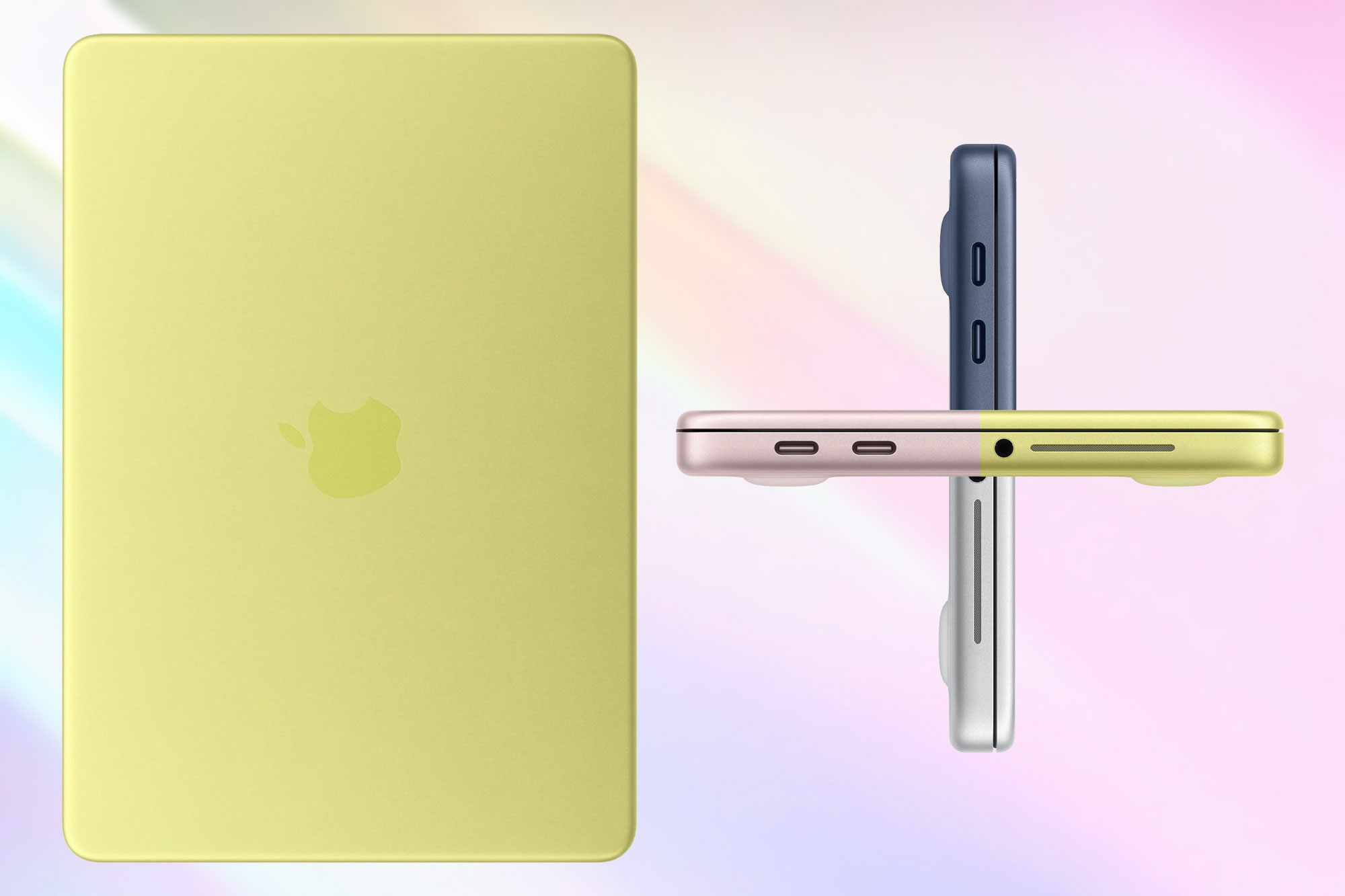
When Apple introduced the MacBook Neo earlier this year it positioned the device as a breakthrough for consumers who previously found Mac laptops out of reach. At 699 dollars the 13 inch aluminum machine delivers strong performance storage and construction that easily tops what most Windows laptops offer in the same range. Yet early adopters are discovering that the base configuration often falls short in daily use prompting a closer look at the true cost of making the device fully functional.
Design Choices That Shape User Behavior
The MacBook Neo comes equipped with just two USB C ports one of which is capped at 480 Mbps. This setup works for basic tasks but quickly complicates matters for anyone connecting external storage multiple peripherals or wanting reliable data transfers. A hub or dock frequently enters the picture not as a luxury but as a practical necessity to unlock everyday productivity.
Display support follows a similar pattern. The laptop handles only one external screen natively which limits its appeal for multitasking or desk based work. Solutions such as DisplayLink docks can expand those capabilities yet they add both expense and another layer of hardware dependency. These constraints suggest Apple has drawn a careful line between entry level appeal and the features that define its higher end MacBook Air and Pro models.
The Charger Gap and Real World Performance
Apple packages the MacBook Neo with a 20 watt adapter in most markets a choice that feels increasingly outdated. Independent tests show the laptop can accept up to around 30 watts and recharges noticeably faster when paired with a 35 watt or higher supply. The included charger gets the job done but leaves users waiting longer than necessary especially when time matters.
Many owners opt for multi port chargers that handle the Neo alongside phones or tablets. While convenient this upgrade illustrates how the out of box experience can feel incomplete. It also reflects broader industry patterns where manufacturers reduce bundled accessories to hit aggressive price targets then rely on the aftermarket to fill the gaps.
Ecosystem Effects and Ownership Costs
The MacBook Neo undercuts earlier Mac prices by hundreds of dollars and offers better build quality than similarly priced Windows machines or iPad keyboard combos. That value proposition holds for simple use cases such as web browsing document editing and video calls. For more demanding setups however the initial savings can evaporate.
Adding a faster charger a hub an external display and perhaps a stand can push the total spend well above 1000 dollars. This reality invites scrutiny over whether the laptop represents genuine accessibility or a entry point into Apple's wider hardware and software ecosystem. Students budget conscious professionals and new users may find themselves weighing these extras sooner than expected.
Questions Regulators and Rivals Should Consider
As governments increase oversight of technology markets the MacBook Neo highlights ongoing debates about device completeness and consumer expectations. When core limitations are engineered into a product does the resulting need for paid accessories warrant closer examination under competition or trade rules? The answers remain uncertain but the conversation is likely to intensify if the Neo gains significant market share.
Competitors in the Windows and Chromebook spaces have responded with machines that include more capable chargers and ports out of the box. Whether Apple's approach will pressure those rivals to adjust or simply reinforce its own loyal customer base is one of the more intriguing unknowns. Environmental considerations also arise given that each additional accessory contributes to electronic waste over time.
Ultimately the MacBook Neo succeeds in expanding the Mac footprint but its limitations make clear that affordability is more nuanced than the headline price. Prospective buyers would do well to budget for supporting gear from the start while the industry watches to see how this budget play influences product design and consumer habits in the years ahead.