Why AI Stock Tools Like Sterling Stock Picker Warrant Caution From Retail Investors
2026-07-16
Keywords: Sterling Stock Picker, AI investing, fintech tools, retail investors, stock analysis, financial regulation
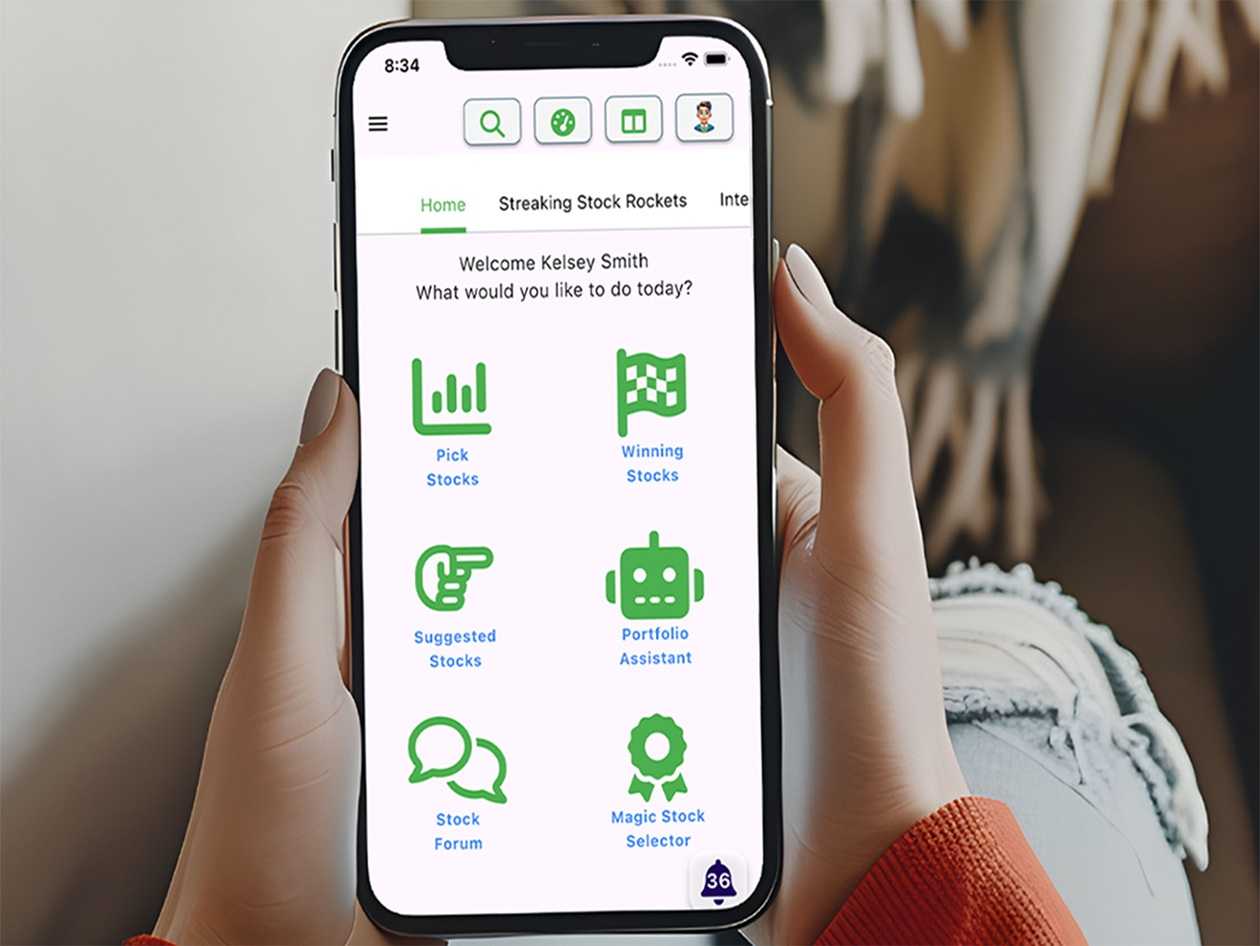
Retail investing has changed dramatically with technology promising to put sophisticated analysis in the hands of everyday users. Tools that combine data crunching with plain language explanations now compete for attention alongside traditional brokers and index funds. One such example is Sterling Stock Picker which recently offered lifetime access at a steep discount to its usual price.
The Draw of Straightforward AI Recommendations
At its core the platform relies on what developers term North Star technology. This patent pending system reviews financial statements technical patterns and risk factors before issuing one of four verdicts: buy sell hold or avoid. The goal is to spare users from digging through dense reports or mastering chart analysis. For 68.99 dollars users secure permanent access without recurring charges a model that appeals to those wary of subscription fatigue.
Yet the simplicity that makes the app attractive also masks deeper uncertainties. No independent studies or long term performance data were highlighted in promotional materials leaving potential users to trust that the underlying models hold up when markets turn chaotic.
Automated Portfolios and the AI Coach Factor
Another component is the quick questionnaire that feeds into a portfolio builder. Within minutes the system generates a mix of assets calibrated to stated goals and risk levels. A built in assistant called Finley fields follow up questions explaining trends or clarifying terms without jargon.
This hand holding approach could help newcomers avoid common mistakes such as concentrating holdings in a single sector. At the same time it raises the issue of how much personalization is truly occurring versus generic templates dressed up by large language models. If the AI draws from public data sources it may simply repackage prevailing wisdom rather than uncover novel insights.
Market Risks and the Limits of Algorithmic Insight
Financial history is littered with examples of models that failed under stress. Whether during sudden interest rate shifts or geopolitical shocks algorithms trained on past patterns can produce misleading signals. Sterling Stock Picker like its peers cannot guarantee protection against such events. Treating its outputs as authoritative could encourage complacency precisely when active scrutiny matters most.
There is also the broader risk of crowd behavior. Should thousands of retail users receive similar buy or sell prompts from comparable AI systems herding effects might exaggerate price movements. Regulators have already expressed concern about this dynamic in algorithmic trading though retail focused apps have so far received lighter scrutiny.
Regulatory and Ethical Questions That Remain Open
Financial advice has traditionally fallen under strict rules when offered by human professionals. It is less clear how those standards apply to apps that stop short of calling themselves advisors yet provide concrete recommendations. Users may assume the tool carries implicit endorsement of its suggestions when in reality outcomes depend on countless variables the software cannot control.
Data privacy adds another layer. Portfolio details and risk preferences shared with the platform represent sensitive personal information. How that data is stored used for model improvement or potentially shared with third parties deserves closer examination than most promotional pages provide.
What Investors Should Consider Before Committing
Anyone eyeing this or similar products would benefit from viewing them as one input among many. Cross checking recommendations against independent research maintaining broad diversification and keeping a portion of assets in low cost passive vehicles remain sound practices. The low one time cost reduces financial risk from the purchase itself but cannot offset losses from misguided trades.
As artificial intelligence spreads further into personal finance the industry must address transparency gaps. Developers should publish verifiable track records and stress test results. Until then informed skepticism serves investors better than blind faith in any single technological edge.