MacBook Protection Market Highlights the True Price of Minimalist Tech
2026-06-03
Keywords: MacBook accessories, laptop protection, premium carriers, tech ergonomics, sustainable design, Bellroy sleeves
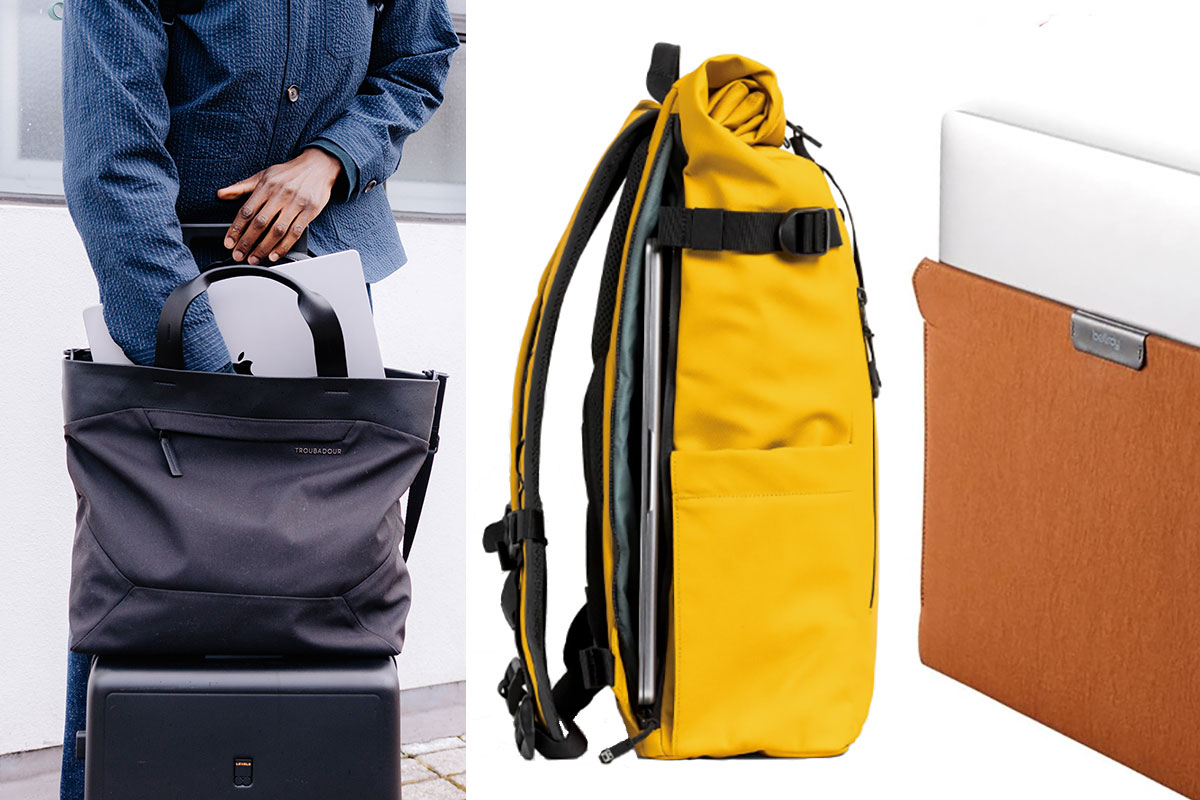
Minimalist Hardware Meets Messy Reality
Apple's MacBooks embody a philosophy of stripped down elegance that consumers love until they need to actually move them around. With ports reduced to a bare minimum and slim profiles that prioritize thinness over robustness the burden shifts to aftermarket solutions. Owners of 13 inch Airs through 16 inch Pros routinely seek out carriers that compensate for these tradeoffs providing pockets for adapters cables and extras that the machines themselves can no longer accommodate.
Why Buyers Accept Higher Costs for Carriers
A MacBook represents a serious financial commitment and the instinct to shield it is rational. What stands out in today's market is how many users willingly spend extra on materials that feel substantial and designs that distribute weight to reduce physical strain. Back and neck stress from unbalanced loads during daily commutes has become a quiet complaint among hybrid workers. Quality carriers address this by offering structured compartments and padded straps yet many options still fall short on long term durability testing.
Material Choices and Their Hidden Tradeoffs
Premium brands emphasize dense fabrics and precise construction. The Australian label Bellroy for example builds sleeves with a refined tactile quality and secure magnetic closures available for both smaller and larger MacBook sizes. These details matter because a carrier must endure more than the laptop itself. Yet the environmental cost of producing such specialized gear rarely enters buying decisions. As demand grows for protective shells backpacks and totes the industry has yet to fully reckon with waste from synthetic materials that may not biodegrade.
Physical and Ethical Implications Often Overlooked
Carrying several pounds of tech every day accumulates wear not just on the device but on the person. Ergonomic factors such as even weight distribution and comfortable grips deserve more scrutiny than they receive in most reviews. On a broader scale the accessory economy reflects a culture that treats expensive electronics as fragile status items. This mindset encourages frequent upgrades and replacements rather than repair raising questions about resource consumption at a time when climate targets loom large. Uncertainty remains around how well even top tier options hold up after years of use in varied conditions from airport runs to rainy commutes.
Unresolved Questions for the Next Generation of Accessories
Manufacturers have an opening to integrate more recycled content without sacrificing the visual appeal that matches Apple's aesthetic. Regulatory pressure on electronics waste could eventually extend to bags and cases but progress has been slow. For consumers the key is distinguishing genuine protection from marketing hype. A carrier that looks fantastic might still compress under pressure or lack the organizational features needed for real workflows. As MacBooks grow more powerful and costly with each iteration the conversation about what truly safeguards both the device and its user needs to evolve beyond surface level recommendations.