ISS Leaks Highlight Risks in Aging Infrastructure as Retirement Approaches
2026-06-05
Keywords: ISS leaks, Russian segment, NASA, Roscosmos, Crew Dragon, space safety, orbital aging
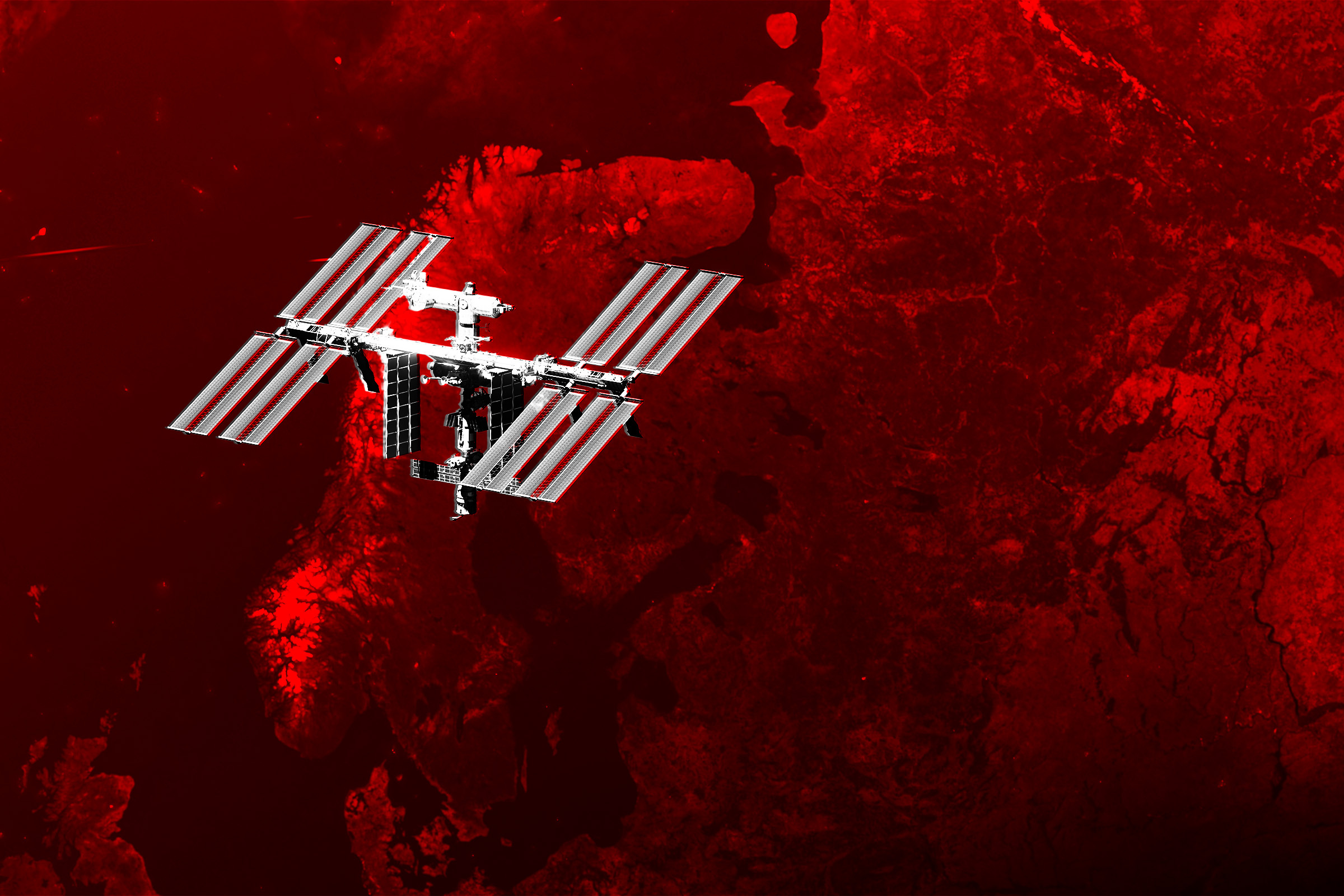
Aging Hardware Puts Pressure on Orbital Operations
The International Space Station has encountered another round of air leaks in its Russian built transfer tunnel prompting NASA to direct astronauts to take refuge in their SpaceX Crew Dragon spacecraft. This elevated safety measure during a scheduled repair operation reflects caution born from years of similar problems rather than any acute crisis.
Backup Systems and Their Growing Importance
The Crew Dragon which normally serves as a lifeboat for return to Earth has repeatedly demonstrated its value in situations like this. With four NASA affiliated crew members from the Crew 12 mission along with another astronaut joining them inside the capsule the incident illustrates how commercial vehicles now provide essential redundancy. Yet it also draws attention to the fact that the primary structure requires such workarounds at all.
History of a Stubborn Problem
Leaks in the Russian segment have been documented since 2019 with crews using a range of techniques over time to locate them. An oversight report from 2024 identified these ongoing cracks as a leading safety concern and they have already caused delays in spacecraft arrivals. The latest effort described by officials as more extensive comes as the station nears the end of its operational life.
Unanswered Questions on Repair and Reliability
Details remain limited on precisely what the current fix entails or how long it might hold. While there is no indication of immediate danger to the crew the pattern suggests that age related degradation is advancing faster than anticipated. This raises legitimate concerns about what additional measures might be needed in the stations final years before its planned deorbit.
Implications for International Partnerships and Future Platforms
Continued collaboration between NASA Roscosmos and other partners has been vital but these recurring issues in one segment strain that relationship at a time of broader geopolitical pressures. The situation also prompts reflection on how the lessons from the ISS will shape upcoming commercial stations in low Earth orbit. With retirement a few years away the priority must be ensuring safe operations without compromising the valuable research conducted there.
The episode leaves open whether current mitigation strategies will suffice or if the timeline for ending the program should be revisited. As the station shows its age more clearly the focus shifts to balancing risk with the benefits of continued human presence in space.