Why Physical AI Needs Humans as Active Nodes Not Just Operators
2026-05-21
Keywords: Physical AI, human interfaces, spatial intent fusion, Wetour Robotics, robotics deployment, AI regulation
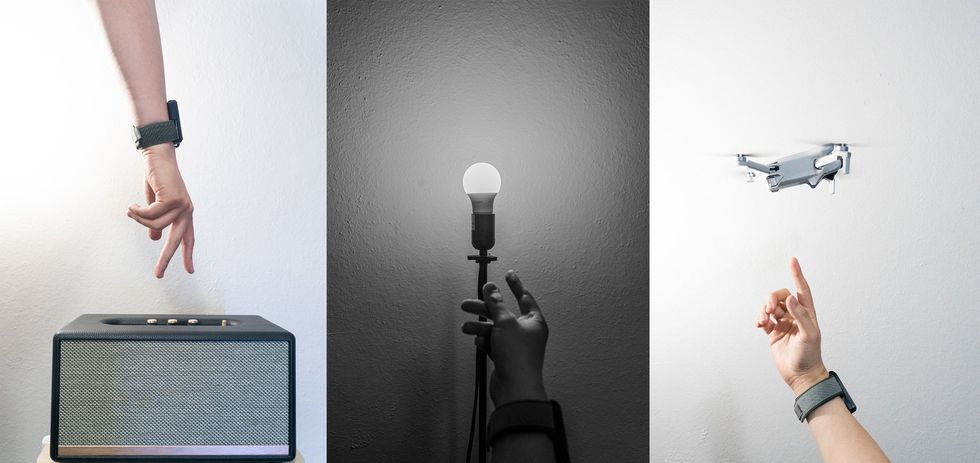
The Persistent Lag in Human-Machine Coordination
Robotics developers have delivered impressive gains in movement and adaptability over recent years. Systems from companies such as Boston Dynamics and Unitree now handle complex terrain and tasks that once seemed distant. Models like those from Google DeepMind show strong results in interpreting scenes and acting on them. Yet these machines still depend on people to set goals and make adjustments in unpredictable conditions. The weak link lies in how that direction is given.
Limitations of Established Control Methods
Decades of reliance on screens, physical buttons and spoken commands created habits that fit office work but clash with jobs that keep hands busy and eyes fixed on the immediate surroundings. A technician securing bolts on a wind turbine cannot easily consult a tablet. A warehouse operator maneuvering heavy loads has little room for voice instructions amid noise and movement. These mismatches slow operations and can increase risk when workers must divert attention from their physical environment.
Treating the Body as Data Source
Some engineers now argue that reliable coordination requires reading multiple streams of information at once. Position in space, direction of gaze and subtle preparatory motions together can clarify what a person aims to achieve. This combined approach offers a path toward lower latency interaction without forcing pauses or extra devices. Wetour Robotics has staked part of its development on the premise that people should function as seamless participants inside the computing network rather than as external supervisors issuing discrete orders.
Potential Benefits in Real World Settings
Improved sensing could bring gains in sectors where timing matters. Maintenance crews might issue corrections to diagnostic tools without releasing their grip. Mobility devices could respond to intended shifts in direction while users navigate crowded pavements. In theory this reduces cognitive load and lets automation support rather than interrupt skilled labor. Still the advantage remains conditional on accurate interpretation across varied lighting, clothing and fatigue levels.
Privacy and Error Risks Demand Attention
Continuous capture of body signals carries clear privacy implications. Data describing posture, focus and muscle tension could reveal more than simple commands. Employers might be tempted to track productivity or compliance in ways that feel intrusive. On the technical side, ambiguous gestures in stressful moments could lead to misreads with material consequences. These uncertainties have not yet produced clear industry standards or regulatory expectations even as prototypes move forward.
Shifting Investment Priorities
The past few years of enthusiasm centered on hardware dexterity and foundational models. That focus delivered visible progress but left the human half of the interaction comparatively neglected. Redirecting some resources toward high fidelity intent detection might speed practical deployment more than additional robot refinements. The outcome will depend on whether the new methods prove robust enough for daily use and whether society settles on acceptable rules for their operation. Until those answers arrive the promise of fluid physical AI remains partial.