Launch Failures Signal Need for Realism in NASA's Lunar Base Schedule
2026-05-29
Keywords: Blue Origin, NASA, New Glenn, Artemis, SpaceX, Starship, lunar base
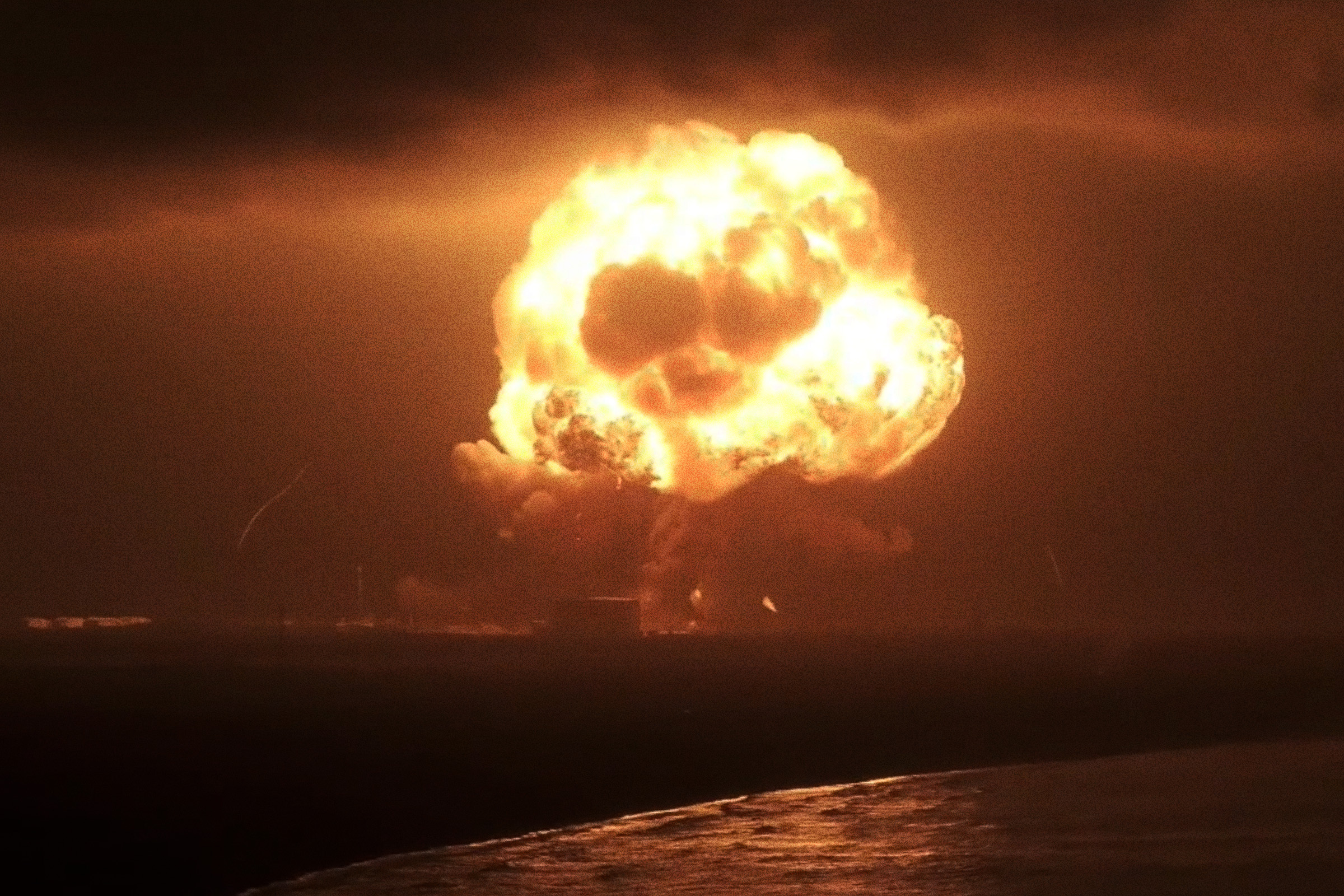
Recent test failures across the leading commercial launch providers have illuminated the substantial technical barriers that stand between current capabilities and the establishment of a permanent human outpost on the Moon. These events demand a clearer eyed evaluation of how NASA structures its dependencies on private industry for missions that allow little margin for error.
The Cumulative Strain on Artemis Timelines
NASA's recent announcements of multiple Moon base missions relied on New Glenn rockets to deploy Blue Origin lunar landers carrying rovers and other equipment before the end of the year. The dramatic explosion during a wet dress rehearsal at Cape Canaveral has likely inflicted serious damage on the launch complex adding layers of delay to an already tight schedule.
Compounding the concern is the parallel trouble at SpaceX where a recent Super Heavy booster test resulted in the Federal Aviation Administration grounding Starship for investigation. Both of the agency's chosen heavy lift options now face extended periods of troubleshooting and potential redesign. This convergence of problems raises the prospect that initial lunar cargo deliveries could slip by months or years.
Shared Challenges in Commercial Heavy Lift Development
Blue Origin's New Glenn had already fallen short in a prior flight by placing a communications satellite into an insufficient orbit. The latest incident during what amounts to a dress rehearsal before actual launch points to possible flaws in propulsion systems or ground infrastructure that require more than superficial fixes.
SpaceX has encountered its own difficulties with engine relight sequences and stage separation in testing. While both companies have demonstrated impressive strides in reusability and cost reduction the gap between prototype success and operational reliability for lunar scale payloads remains wide. NASA administrator Jared Isaacman captured the situation accurately by noting that developing new heavy lift capacity is extraordinarily difficult and that spaceflight leaves no room for shortcuts.
Unresolved Questions About Infrastructure and Risk Management
Investigators must now pinpoint the root cause of the New Glenn explosion while assessing the full scope of repairs needed at the Space Force Station pad. Until those details emerge the precise impact on Artemis and the broader Moon base program stays unclear. One risk is that repeated anomalies could drive up costs and test congressional willingness to maintain funding levels.
Jeff Bezos stated that all personnel were safe and that his team would rebuild whatever is required. Elon Musk responded with a simple observation that rockets are hard. These comments reflect the resilience typical in the industry yet they do not address larger policy questions. Should NASA introduce additional providers or adjust its reliance on two primary systems that are both experiencing turbulence at the same moment?
Implications for Policy and Industry Collaboration
The pattern of setbacks suggests that aggressive timelines for permanent lunar presence may need recalibration. A more measured approach could incorporate greater redundancy in launch options or phased milestones that prioritize proven performance over speed. Such adjustments would carry their own political and budgetary consequences but they might prevent more costly failures once human crews enter the equation.
Close cooperation between NASA and its commercial partners will be essential during the investigations that follow. The outcome could influence not only near term lunar landings but also the competitive dynamics between Blue Origin and SpaceX. In an unforgiving environment where every explosion carries both financial and reputational weight the path to a functional Moon base will likely prove longer and more iterative than initial plans indicated.