Flipper One highlights both the promise and peril of democratized computing power
2026-05-21
Keywords: Flipper One, open source hardware, Linux computer, edge AI, Flipper Devices, portable computing
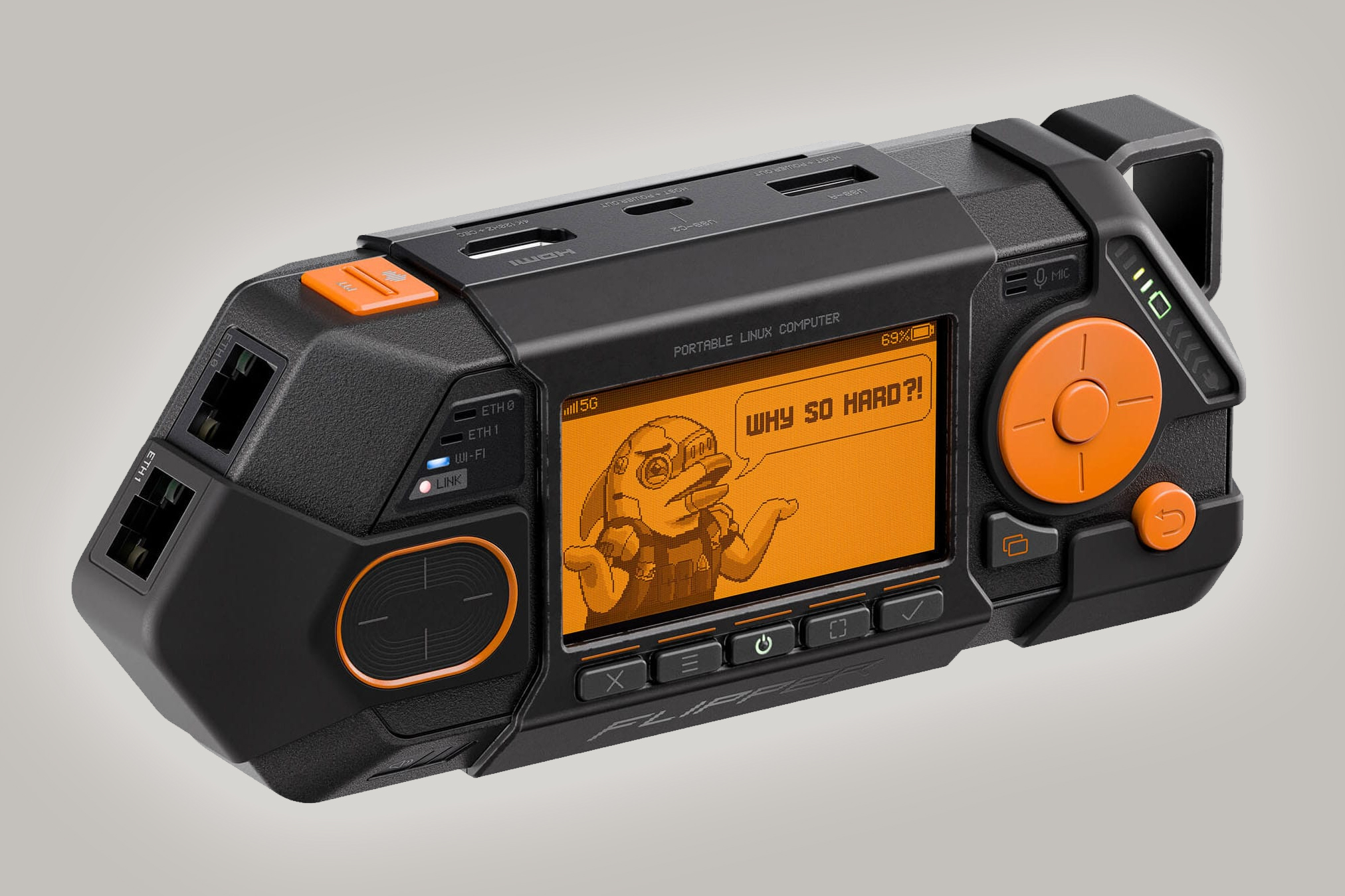
Flipper Devices has built its reputation on compact tools that appeal to makers while occasionally alarming security experts. Its new project takes that approach further by offering a fully capable Linux computer small enough to carry anywhere. Rather than simply releasing another gadget the company is inviting early community input to shape what the final product becomes.
A serious processor in a tiny package
The hardware at the core of this device includes an eight core RK3576 chip paired with a graphics unit a neural processing unit rated for six tera operations per second and eight gigabytes of RAM. Those numbers place the Flipper One well beyond typical single board computers aimed at hobbyists. The inclusion of an NPU in particular suggests the device can run local AI models without relying on cloud services.
This matters because it lowers the barrier for experimenting with on device intelligence. Developers could build privacy focused applications that keep sensitive data away from remote servers. At the same time such capabilities in an affordable portable format invite broader questions about who will use them and for what purpose. Local AI can empower users but it can also enable sophisticated tools that are harder to detect or trace.
Expansion options that multiply possibilities
Beyond raw compute the Flipper One offers PCIe SATA USB 3.0 dual ethernet ports and an M.2 slot. These interfaces allow the base hardware to grow in many directions including the addition of cellular modules. The result is a system that could function as a portable server a network analysis tool or a custom edge computing node.
At a planned base price below 350 dollars the device could reach students independent researchers and smaller organizations that previously found such configurations out of reach. Yet increased accessibility also means wider distribution of technology that has dual use potential. History shows that tools originally marketed for research or fun sometimes find their way into less constructive applications.
Community involvement as risk management
By making clear that the Flipper One remains a work in progress and actively soliciting ideas from its user base Flipper Devices is trying a different path than it took with earlier products. The earlier Flipper Zero gained both fans and critics for its wireless capabilities and some venues even moved to restrict it. Early engagement with the community may help the company identify and address concerns before the hardware ships.
This strategy reflects a maturing understanding of how open source hardware evolves in a world of heightened scrutiny. When anyone can modify and extend the platform the manufacturer's responsibility becomes more diffuse. Clear documentation strong defaults and transparent discussion about intended uses will matter as much as the silicon itself.
Persistent unknowns and regulatory realities
Several practical questions remain unanswered. Battery life thermal management and the exact user interface for such a compact system have not been detailed. Software support will also prove decisive. An open Linux environment offers flexibility but only if drivers and libraries keep pace with the hardware.
From a policy perspective the combination of powerful local AI high speed connectivity and low cost raises familiar tensions. Lawmakers continue to debate how to balance innovation against risks of misuse in areas such as network intrusion or unauthorized data collection. The Flipper One is unlikely to trigger new regulations on its own yet it adds to a growing list of consumer devices that test the boundaries of what ordinary users can carry in their pockets.
Ultimately this project illustrates a larger shift. Computing power that once required a full server rack now fits in a palm and can be purchased for the price of a decent dinner out. The real test will be whether the community that forms around the Flipper One focuses on constructive projects or whether the device's capabilities outpace the safeguards built into it. Flipper Devices has placed that outcome partly in the hands of its users. The next year of development will show how well that bet pays off.